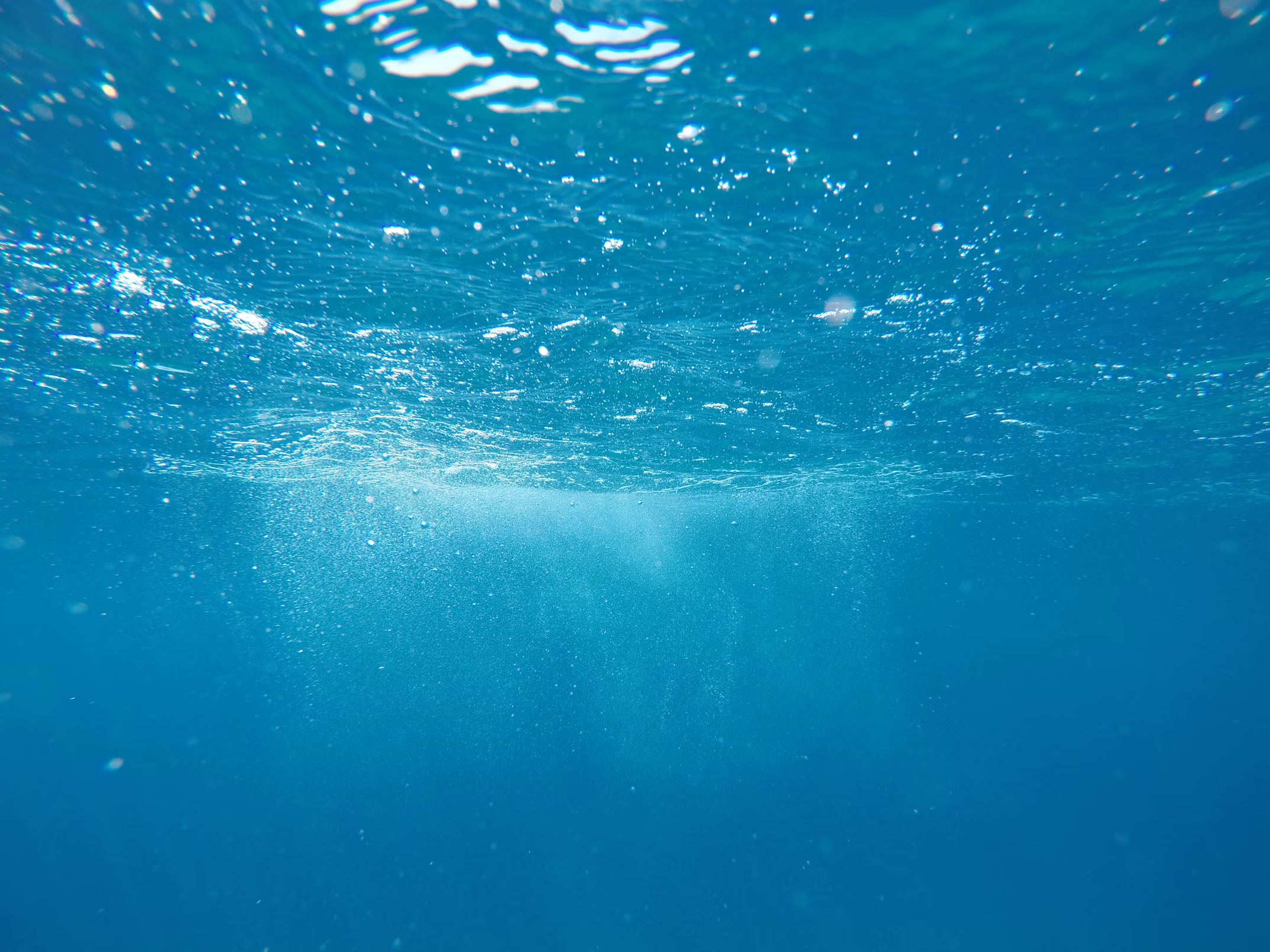
This dive site, La Roca, is a well-regarded spot in Spain known for its vibrant marine life and extensive schools of fish. It's characterized as a long dive that takes divers to a specific 'sardine area,' implying a substantial swim or navigation to reach the main aggregation points. While no specific history or detailed navigation guidance is provided, the focus is clearly on exploring the rich aquatic environment. Divers can expect to cover a good distance, exceeding 18 meters in depth at times, making it an engaging exploration of the reef and its inhabitants.
The marine life at La Roca is exceptionally diverse, highlighted by massive banks of snorers, sea bream, horse mackerel, trumpet fish, bogas, white güelde, and, of course, sardines. In addition to these schooling fish, divers frequently encounter trumpet fish, barracudas, puffer fish, various crabs, and lobsters. The emphasis is on large fish aggregations, indicating a healthy ecosystem likely supported by rocky reefs or similar underwater structures, though specific flora is not explicitly mentioned.
The best time to visit La Roca would likely be during periods of good visibility and calm seas, typical of the dive season in the Canary Islands, generally from spring through autumn. Divers should be prepared for a 'long dive,' suggesting good air consumption management and possibly a need for a guide familiar with the specific navigation to the sardine area. For freedivers, the abundant fish schools and manageable depths (average 9m) make it an attractive location, offering excellent opportunities to observe marine life closer to the surface.